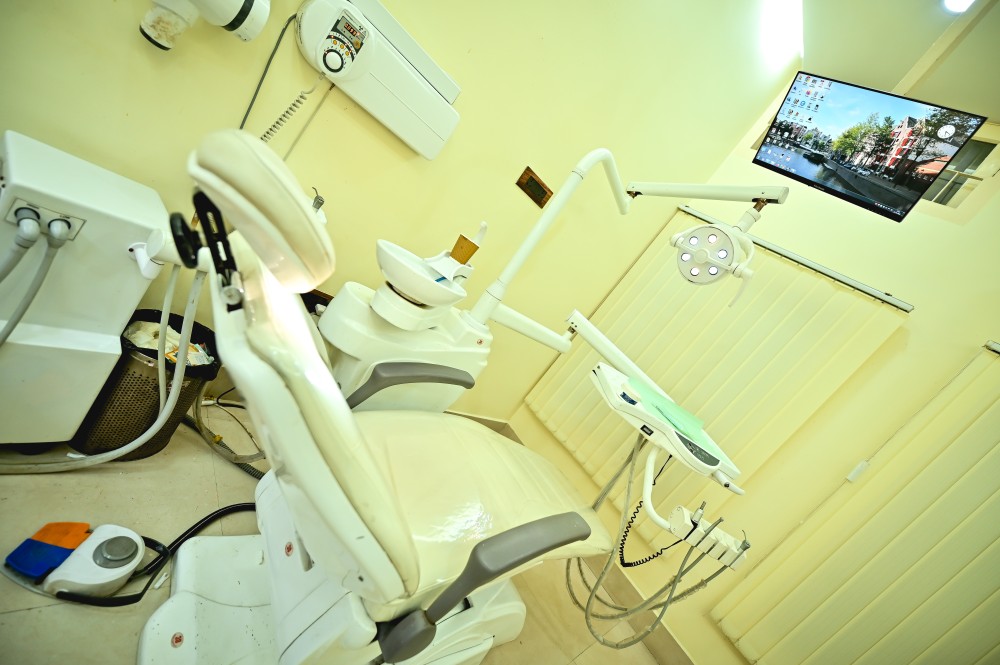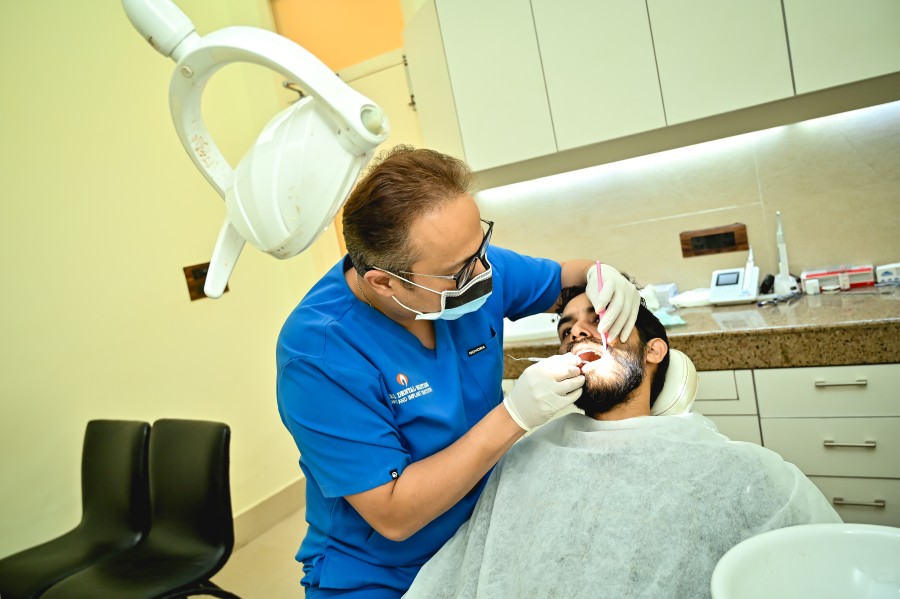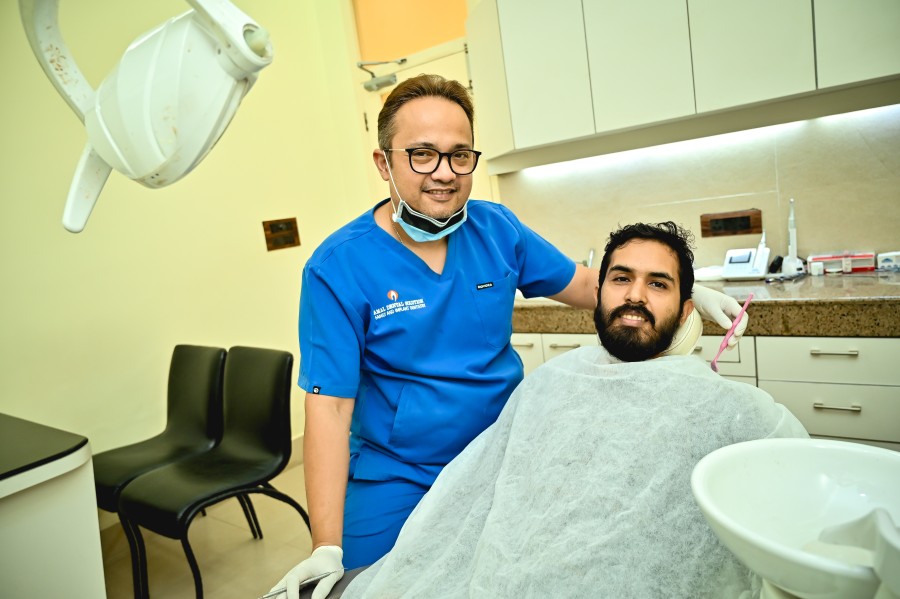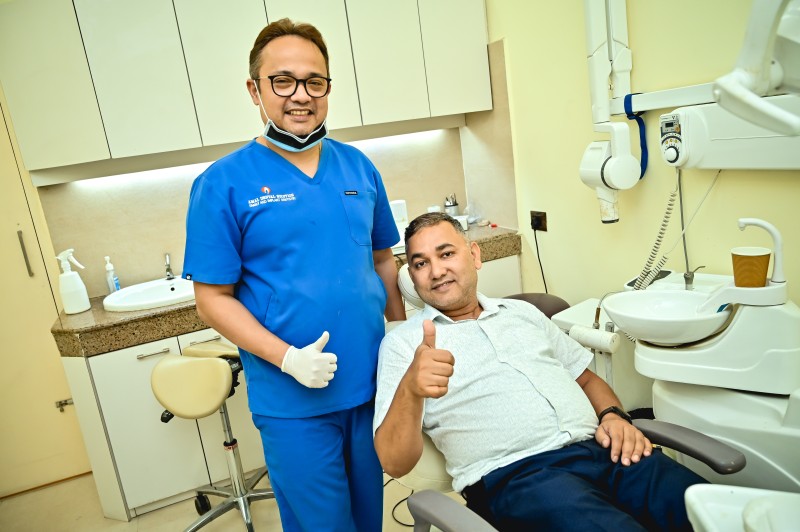
Tooth pain, sensitivity, or swelling can sometimes indicate an infection or damage affecting the inner part of a tooth. At Amal Dental Solution, we provide root canal treatment to help address problems involving the dental pulp, relieve symptoms, and preserve your natural tooth whenever possible.
Under the care of Dr. Ayushman Baruah, BDS – Dental Surgeon, we focus on identifying the cause of your dental discomfort and recommending appropriate treatment based on your oral health needs. Our approach emphasizes careful assessment, patient comfort, and clear communication throughout the treatment process.
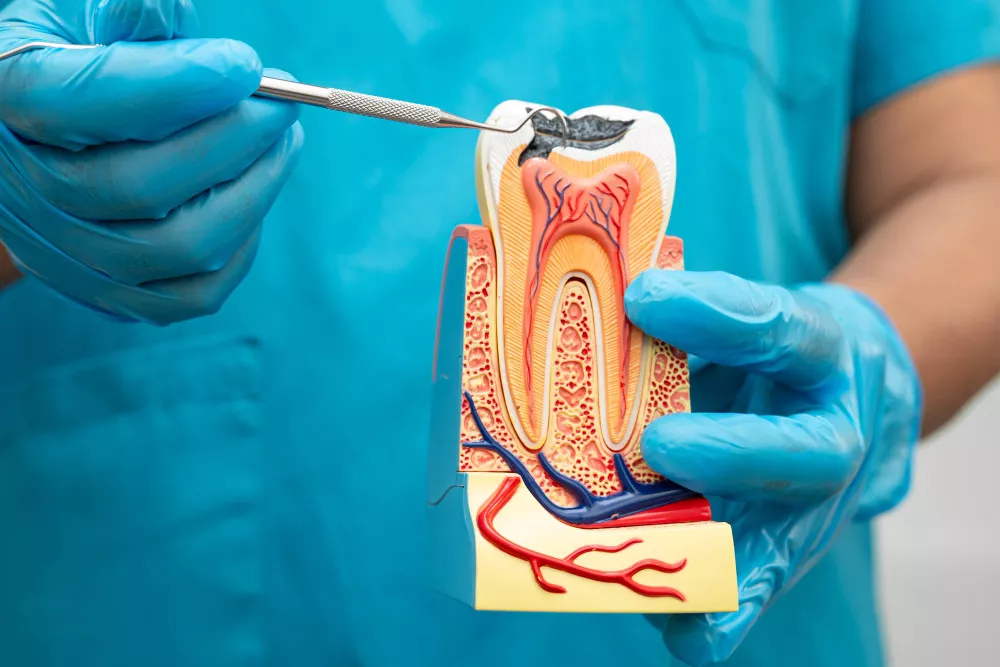
Root canal treatment is a dental procedure used to treat infection or inflammation inside a tooth. The dental pulp contains nerves and blood vessels, and it can become damaged due to deep tooth decay, cracks, trauma, or repeated dental procedures.
During treatment, the affected pulp is removed, the root canal system is carefully cleaned and disinfected, and the space is sealed with a suitable filling material. Depending on the remaining tooth structure, a dental crown may be recommended to help protect the treated tooth from further damage.
The primary goal of RCT is to eliminate the source of infection, relieve discomfort, and help you retain your natural tooth rather than having it extracted.
Your dentist may recommend root canal treatment if you experience:
Persistent Toothache: Pain that continues or occurs without an obvious trigger.
Sensitivity to Hot or Cold: Discomfort that lingers after exposure to hot or cold foods and drinks.
Pain While Chewing: Tenderness or discomfort when biting down.
Swollen or Tender Gums: Inflammation around an affected tooth.
Deep Tooth Decay: Cavities that extend into the pulp of the tooth.
Tooth Discoloration or Dental Injury: Changes that may indicate damage to the inner tooth.
These symptoms do not always mean you need an RCT. A clinical examination and appropriate dental imaging help determine the underlying problem and the most suitable treatment.
1. Dental Examination
We assess your symptoms, examine the affected tooth, and may take dental X-rays to understand the extent of the problem.
2. Comfort and Preparation
The affected area is usually numbed with local anesthesia to help make the procedure more comfortable.
3. Cleaning the Root Canals
The infected or inflamed pulp is removed, and the canals are cleaned, shaped, and disinfected.
4. Sealing the Tooth
The cleaned canals are filled and sealed with an appropriate dental material to help prevent reinfection.
5. Final Restoration
A suitable filling or dental crown may be placed to restore the tooth’s strength, shape, and function.
The number of visits required depends on the condition of the tooth and the complexity of the treatment.
When clinically appropriate, RCT offers several important benefits:
Helps relieve pain caused by pulp inflammation or infection
Preserves your natural tooth
Restores chewing function
Helps prevent the spread of infection
Maintains the natural alignment of surrounding teeth
May reduce the need for tooth extraction and replacement
With appropriate restoration, good oral hygiene, and regular dental check-ups, a root canal-treated tooth can remain functional for many years.
Mild tenderness may occur for a few days following treatment. Follow your dentist’s instructions, avoid putting excessive pressure on the treated tooth until it has been fully restored, and attend recommended follow-up appointments.
Maintaining good oral hygiene is essential for protecting the treated tooth and surrounding gums. Contact your dentist if you experience worsening pain, swelling, or other unexpected symptoms after treatment.
Ignoring persistent tooth pain can allow an underlying dental problem to worsen. Early assessment can help identify the cause and determine whether root canal treatment is appropriate.
At Amal Dental Solution, we aim to provide careful, personalized dental care to help you manage tooth pain and maintain your natural smile.
Personalized dental care for a healthier, confident smile.